


NEW DELHI — India is positioning itself as one of the world’s most compelling travel destinations for 2026, driven by a powerful mix of upgraded infrastructure, seamless digital connectivity, and a sharp shift toward curated, sustainable travel.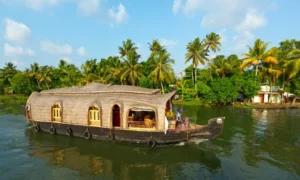
According to a newly published industry report by India Historical Tours, the South Asian nation is seeing a major surge in interest from international travelers—particularly from the USA, UK, Australia, and Canada. The report highlights that today’s travelers are moving away from rushed sightseeing checklists, opting instead for “slow travel” experiences that offer deep cultural immersion, such as cooking with local families and staying in preserved heritage homes.
Industry experts credit this travel boom to a highly streamlined e-visa process, upgraded domestic flight networks, and a wider availability of luxury and boutique accommodations that cater to Western sensibilities while preserving local charm.
The report identifies seven standout destinations leading the charge for global travelers in 2026:
1. The Golden Triangle (Delhi, Agra, & Jaipur)
Remaining the undisputed crown jewel for first-time international visitors, this classic circuit bridges India’s past and present. The route seamlessly connects the bustling historical layers of Delhi, the iconic romance of the Taj Mahal in Agra, and the majestic royal forts and vibrant markets of Jaipur.
2. Kerala’s Backwaters and Wellness Retreats
For travelers seeking a slower, more tranquil pace, Kerala is a major draw in 2026. Famous for its palm-lined backwaters, traditional houseboat stays, and misty tea gardens, the state has also solidified its reputation as a world leader in authentic Ayurvedic wellness and holistic health retreats.
3. Rajasthan’s Royal Heritage
Stepping into Rajasthan remains akin to entering a living storybook. In 2026, the region continues to dominate the luxury travel sector, pulling in visitors with Jodhpur’s famous blue-hued streets, Udaipur’s romantic lakeside settings, and desert safaris in Jaisalmer, all tied together by the unique opportunity to stay in converted royal palaces.
4. Varanasi: The Spiritual Heart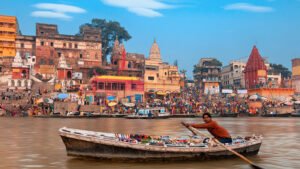
Varanasi continues to stand out as one of the world’s oldest continuously inhabited cities. International explorers describe the sensory and emotional experience of witnessing the sunrise on the Ganges or attending the evening Aarti (prayer ceremony) as the most profoundly meaningful stop on their Indian itineraries.
5. Leh-Ladakh’s Adventure Landscape
catering to the high-altitude adventure crowd, Ladakh offers dramatic, wide-open mountain vistas that feel worlds away from mainland India. Boasting cliffside Buddhist monasteries, clear alpine lakes, and dramatic road trips through high mountain passes, it has become the premier destination for summer travel.
 6. Rishikesh: Yoga and the Himalayas
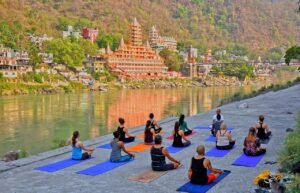
Dubbed the “Yoga Capital of the World,” Rishikesh successfully balances inner calm with outdoor thrills. Located in the foothills of the Himalayas, it attracts solo travelers and wellness enthusiasts alike for intensive meditation retreats, balanced by adrenaline-pumping whitewater rafting on the Ganges.
7. The Andaman Islands
Emerging as India’s premier tropical paradise, the Andaman Islands are capturing the attention of beach lovers and divers looking for an alternative to crowded Southeast Asian resorts. The islands offer pristine white-sand beaches, turquoise waters, and vibrant coral reefs tucked away in relative seclusion.
A New Era of Travel
The tourism landscape in 2026 marks a turning point for how the world interacts with India. “India is not one destination—it’s many worlds in one country,” the report concludes, advising travelers to “plan smart, travel slow, and let India surprise you.” With its current focus on sustainable tourism and deeply authentic local interactions, India is proving that its ancient heritage can perfectly align with the expectations of the modern, conscious traveler.