


Historical Significance
Dhauli Shanti Stupa, also known as the Peace Pagoda, stands on the banks of the River Daya near Bhubaneswar, Odisha. This site is historically important as it is believed to be the battlefield of the famous Kalinga War fought in the 3rd century BCE. The war was a turning point in the life of Emperor Ashoka, who, moved by the immense loss of life, embraced Buddhism and the path of non-violence.
 Ashokan Edicts
At Dhauli, one can find several Ashokan edicts carved on rock surfaces. These inscriptions reflect Ashoka’s remorse after the war and his commitment to dharma (righteousness), compassion, and peace. They are among the earliest examples of written moral codes in India.
The Peace Pagoda
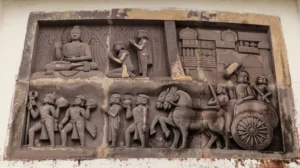
The Shanti Stupa was built in 1972 by the Japan Buddha Sangha and the Kalinga Nippon Buddha Sangha. It is a gleaming white structure adorned with statues of Lord Buddha in various postures, symbolizing peace and enlightenment. The stupa is surrounded by sculptures depicting important events from Buddha’s life and Ashoka’s transformation.
Architectural Beauty
The stupa’s serene white dome, intricate carvings, and peaceful surroundings make it a spiritual retreat. The site offers panoramic views of the Daya River and the surrounding countryside, enhancing its tranquil atmosphere.
Cultural Importance
Dhauli Shanti Stupa is not just a monument but a living symbol of peace and reconciliation. It attracts pilgrims, tourists, and scholars from around the world who come to reflect on the universal message of non-violence and compassion.
Visitor Experience
Visitors can explore the edicts, admire the stupa’s architecture, and enjoy the calm environment. The site is especially captivating during sunrise and sunset, when the stupa glows against the sky, reinforcing its aura of peace.